CNC sewing machines for automotive series production
Proven sewing technology meets tailored automation, for the process reliability your production needs.

Machine types
Different sewing machine types produce different seam patterns and meet different process requirements. We select each technology deliberately, to achieve maximum quality and efficiency.
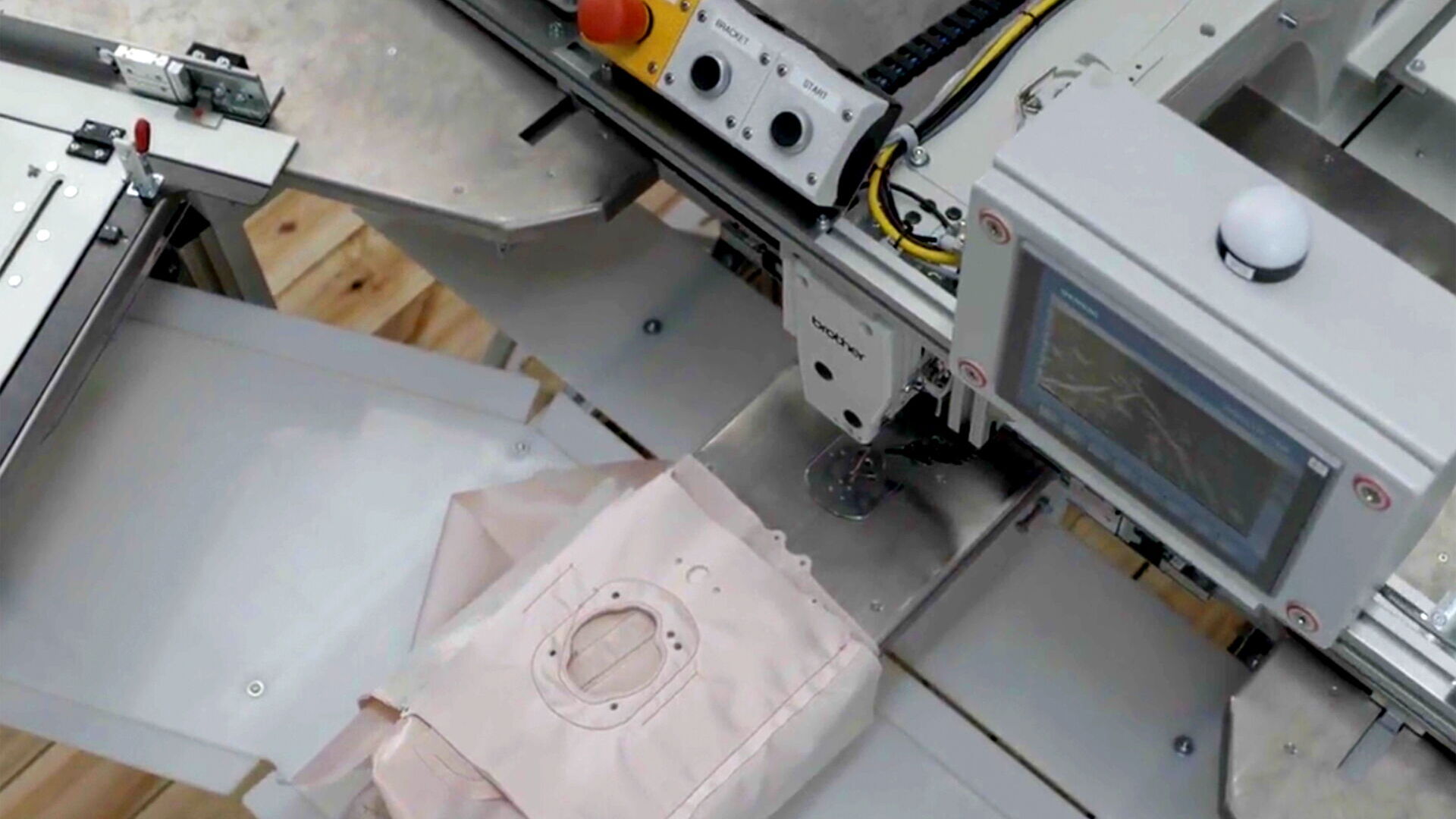
Industrial machines
Industrial sewing technology with a long service life forms the foundation of our automation systems. This reliability is not negotiable in series production. We rely on proven technology from Brother and Juki, tested in demanding production environments.
Special applications
Not every requirement can be solved with standard technology. We develop seam processes for geometries and materials that push conventional systems to their limits. Systematic validation makes even complex processes process-reliable.
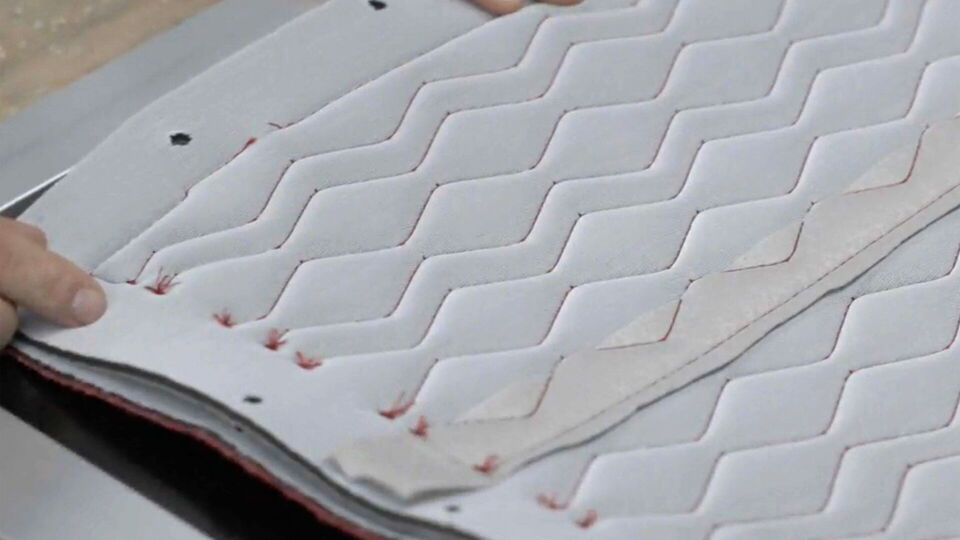
Laminated composites and layered structures require precisely tuned thread tension and stitch frequency, to rule out delamination and secure adhesion.
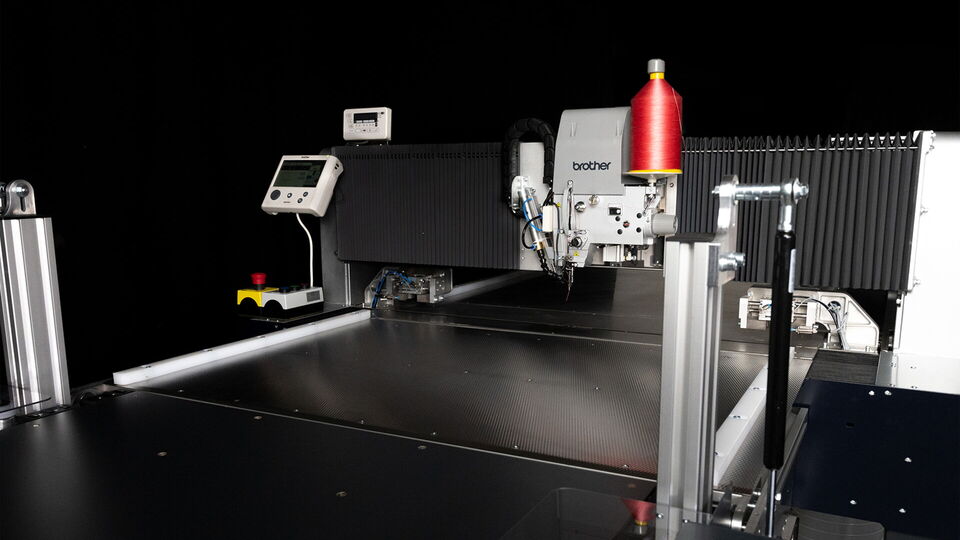
Large-format textile components are processed by CNC-controlled systems with consistent precision, so tolerances do not drift across the length of the part.
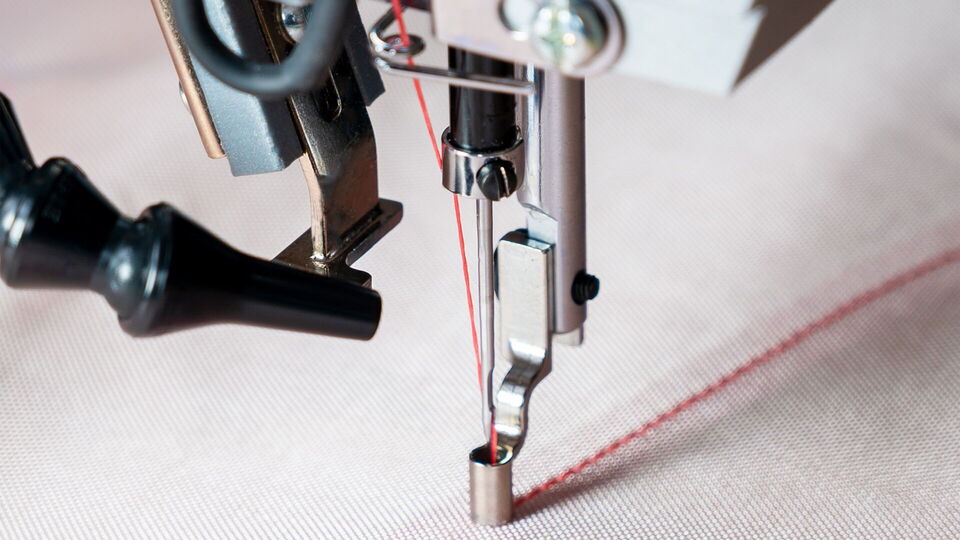
Aramid, high-strength plastics, and special fabrics call for adapted needles and thread tension profiles, for safe and reproducible processing.
CNC and automation
Automated systems handle positioning, material handling, and seam execution with consistent accuracy. The technology runs reliably over long production cycles, without fatigue or drift.
ROI and productivity
Modern automation systems eliminate variation and deliver consistent results. The outcome is less scrap, higher speed, and processes you can rely on.
The ROI of sewing automation depends on three variables: current scrap rate, cycle time per part, and labor cost per shift. Our engineers help you model these numbers for your specific application, from single-station upgrades to full-line investments.

FAQ
A quick overview before you get in touch. For everything else, our team is one message away.
Sewing automation uses machines and programmable systems to perform sewing tasks that would otherwise require manual operation. In series production, automated sewing systems produce components such as seat covers, airbag seams, seat belts, and interior trim with consistent quality over long production runs. The goal is reproducible results: every seam meets the same tolerance, cycle after cycle.
Automated sewing systems combine industrial sewing machines with CNC-controlled motion, programmable seam patterns, and robotic material handling. The system positions the material, guides the needle along a defined path, and reproduces complex geometries without manual intervention. Seam patterns are defined digitally and executed with consistent precision, over millions of cycles if required.
We build our automation systems on proven industrial sewing technology from Brother and Juki. These machines have a long service life and are tested in demanding production environments. The specific machine type depends on your seam pattern and material requirements.
Yes. Our systems process multi-layer structures, meter-long components with tenth-of-a-millimeter precision, and high-strength materials such as aramid and special fabrics. Systematic validation ensures that even technically demanding seam sequences run process-reliably in series production.
Our systems process a wide range of materials used in series production: laminated composites and multi-layer structures, high-strength fabrics for safety components, aramid and special fabrics, leather and synthetic materials for seat covers and interior trim. Each material requires adapted needle types, thread tension profiles, and stitch frequencies. We configure your system for the specific material mix of your production.
Talk to our team about your project.

Services
Company